I almost gave up, when I realized that the business world views 'quality' differently than I thought.
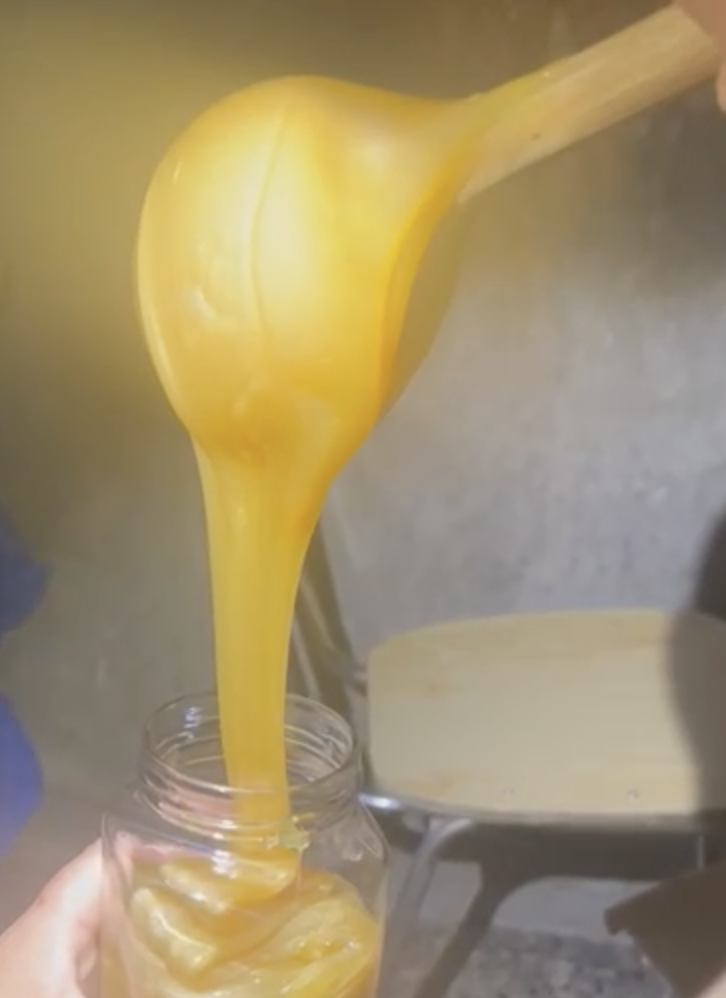
Recently, I had the opportunity to present our farm's wild honey to several supermarkets in Thailand. The moments before the presentation, I must admit, were very excited, because I had complete confidence in this product. It's honey that prioritizes "authenticity," quality, and purity from a natural source—a rarity these days. But then... the response I received left me speechless. They told me frankly, "In this market, quality isn't the top priority."
When Profit Figures Obscure the Value of Food
That experience forced me to question myself: what should a "food business" truly be based on?
In today's world, we cannot deny that most market decisions are driven primarily by "price, quantity, and short-term profit." Everything is squeezed to be as cheap as possible for maximum sales. But we often forget that behind those numbers are "real consumers," the health of someone's family, and the environmental impact that affects us all.
For me, food is not just a product sitting on a shelf waiting to expire. It is:
- Trust: The trust customers place in us when they choose our product for their loved ones.
- Responsibility: As producers, we must ensure that every drop is 100% pure.
- Respect: To the nature that provides us with the produce, and to the people who trust our brand.
Unwavering Ideals
This experience didn't discourage me; instead, it reinforced my belief that businesses committed to "true quality and transparency" remain crucial and essential in this world.
Perhaps the real challenge for FAOS today isn't simply selling as much honey or olive oil as possible. But it's about helping to change perspectives and "dialogues" in society, encouraging us to prioritize "true value" over just the cheapest price tag. Because ultimately, the health lost due to poor-quality food is the most expensive cost nobody wants to pay.
Patcharin Chanaphukdee
Sharing insights about premium Greek organic olive oil, natural honey, and the Mediterranean lifestyle to help you achieve optimal well-being.
Comments
Share your thoughts on this article